GET TO KNOW YOUR NEIGHBORS: Baby Season on Long Island
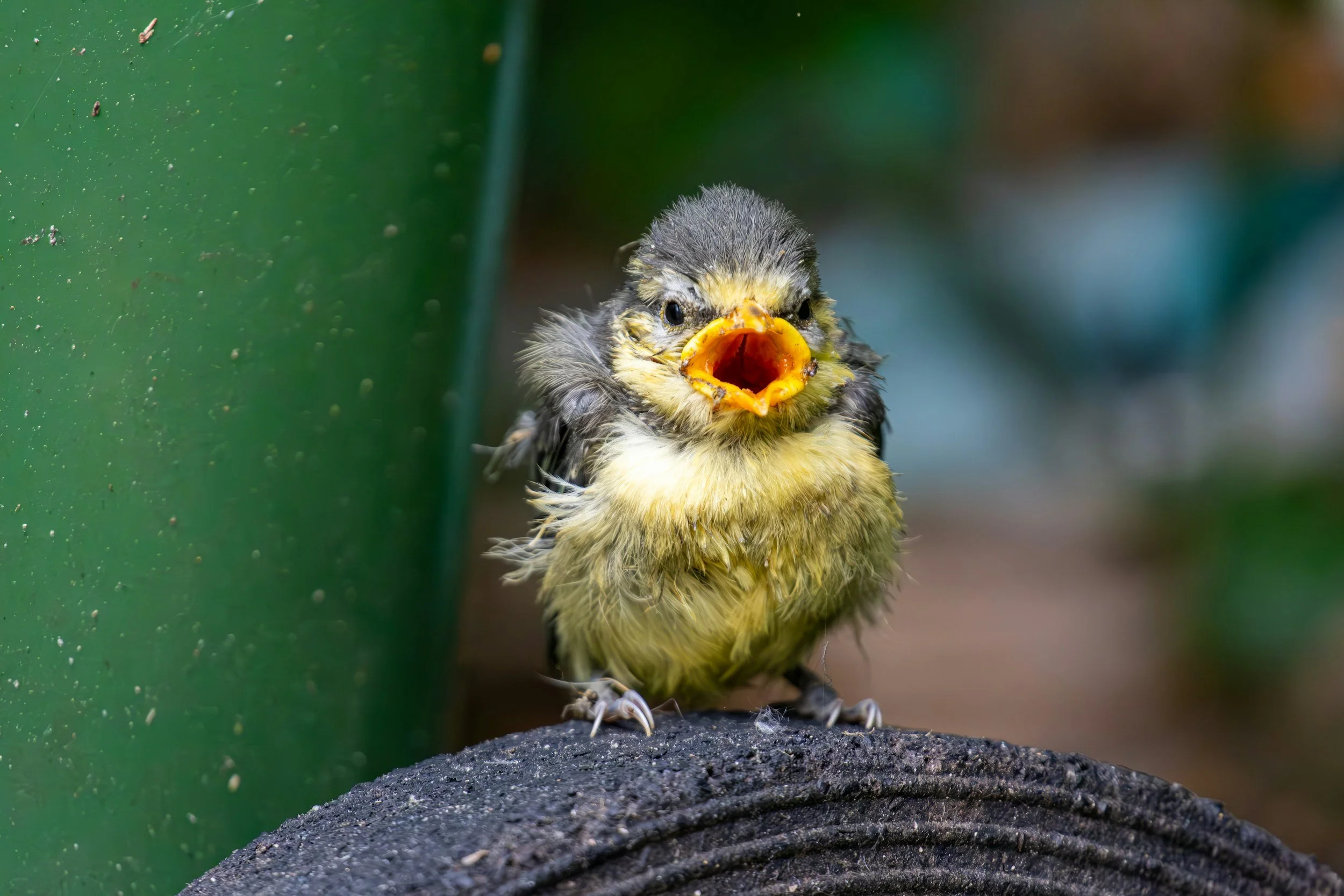
Baby season is an exciting time on Long Island. Many animals give birth beginning in March and continue through the summer months. This is also a very busy time for wildlife rehabilitators, who receive numerous calls about injured or orphaned animals. At Sweetbriar Nature Center, the phone rings constantly during this season. Rehabilitators and volunteers work tirelessly to help wildlife, including birds, rabbits, squirrels, opossums, and more.
For example, rabbit nests are often disturbed by dogs or landscaping activities, and baby birds and squirrels can fall or knowingly jump from their nests. If you are concerned about an uninjured wild animal, it’s important to seek advice from a knowledgeable source but never feed it and never give it water.
What happens during fledgling season?
Fledgling season is the period when young birds leave the nest and begin their transition to independence. On Long Island, this typically occurs in late spring and summer. Fledglings can behave a bit like teenagers—they leave the nest thinking they are ready to be on their own, but they may not be fully prepared. During this time, you might see them hopping on the ground or attempting to fly without much success. While this may look concerning, it is usually normal behavior. In most cases, the best thing to do is leave fledglings where they are. Their parents are nearby and will continue to care for them.
Spring and Summer are also the busiest season for wildlife hospitals across the island. Many young animals need care, in addition to adult animals that require help year-round.
Sweetbriar’s Wildlife Rehabilitation Hospital is often at full capacity during this time. If you are planning to bring in an injured animal, please call ahead first.
For guidance on what to do if you find an animal in need, consult your local wildlife rehabilitator. While it’s natural to want to help, it’s important to ensure that your actions do more good than harm. Wild animal parents are best equipped to raise their young and prepare them for survival in the wild. However, every year, many well-meaning people remove young animals from their natural environment, mistakenly believing they are abandoned. In reality, this is often not the case.
Removing wildlife unnecessarily—sometimes called “kidnapping” or “baby napping”—can be harmful and is illegal in many cases. If a young bird is alert, fully feathered, moving around, and its parents are nearby, observe from a distance and do not intervene. Baby deer, rabbits, raccoons, ducks, and songbirds are among the most common animals mistakenly “rescued.”
Wildlife rehabilitators are licensed by the DEC and many are volunteers. They have the
knowledge, experience, and facilities needed to care for and eventually release wild animals.
Their goal is always to return healthy animals to their natural habitats, where they belong. They
are the only individuals legally permitted to care for distressed wildlife.
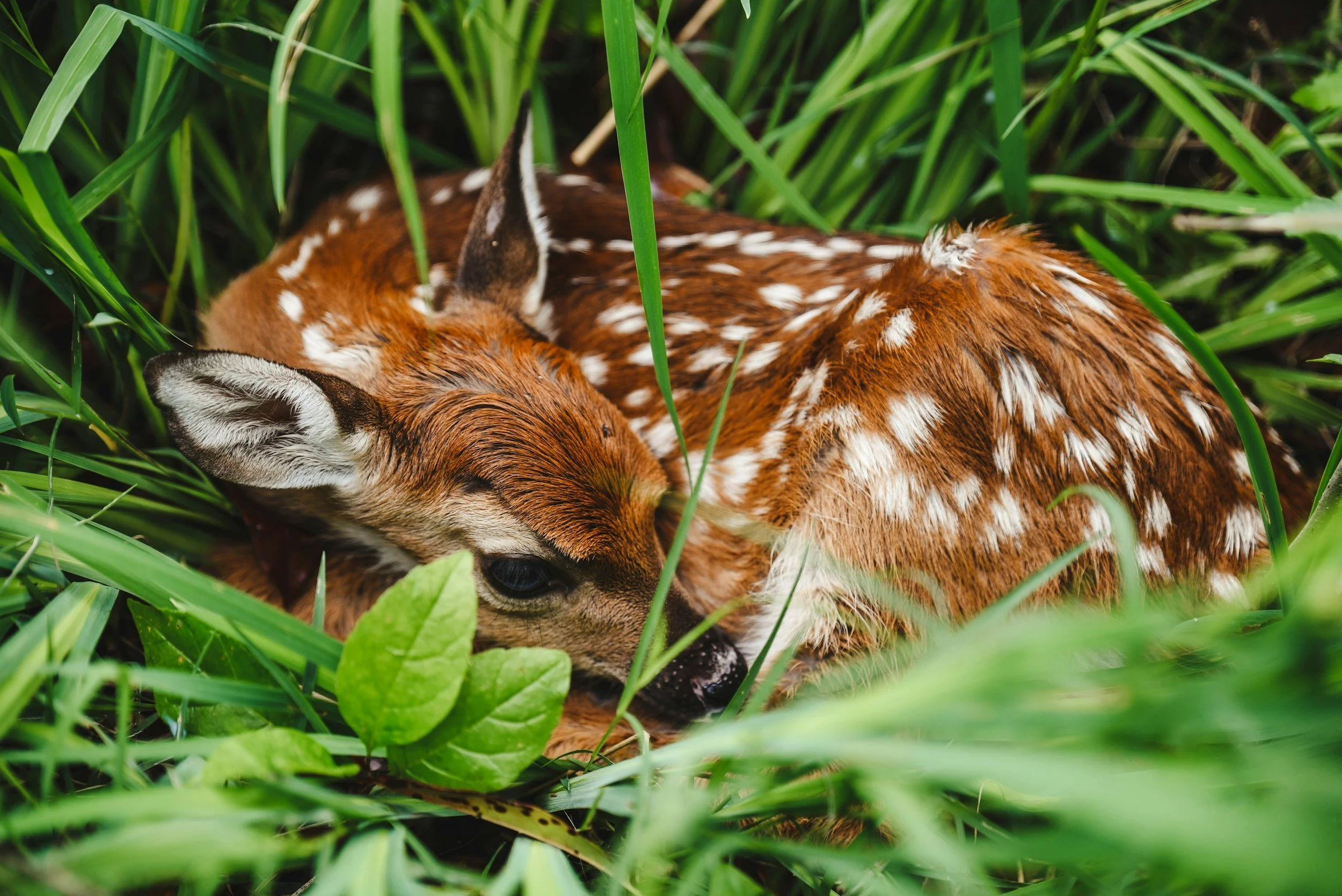
Did you know?
A mother deer may leave her baby alone for most of the day, but this is actually a protective behavior—not abandonment. Adult deer carry a scent that can attract predators, while fawns have very little scent, helping them stay hidden and safe.
Anne Marie Tognella, Sweetbriar Volunteer