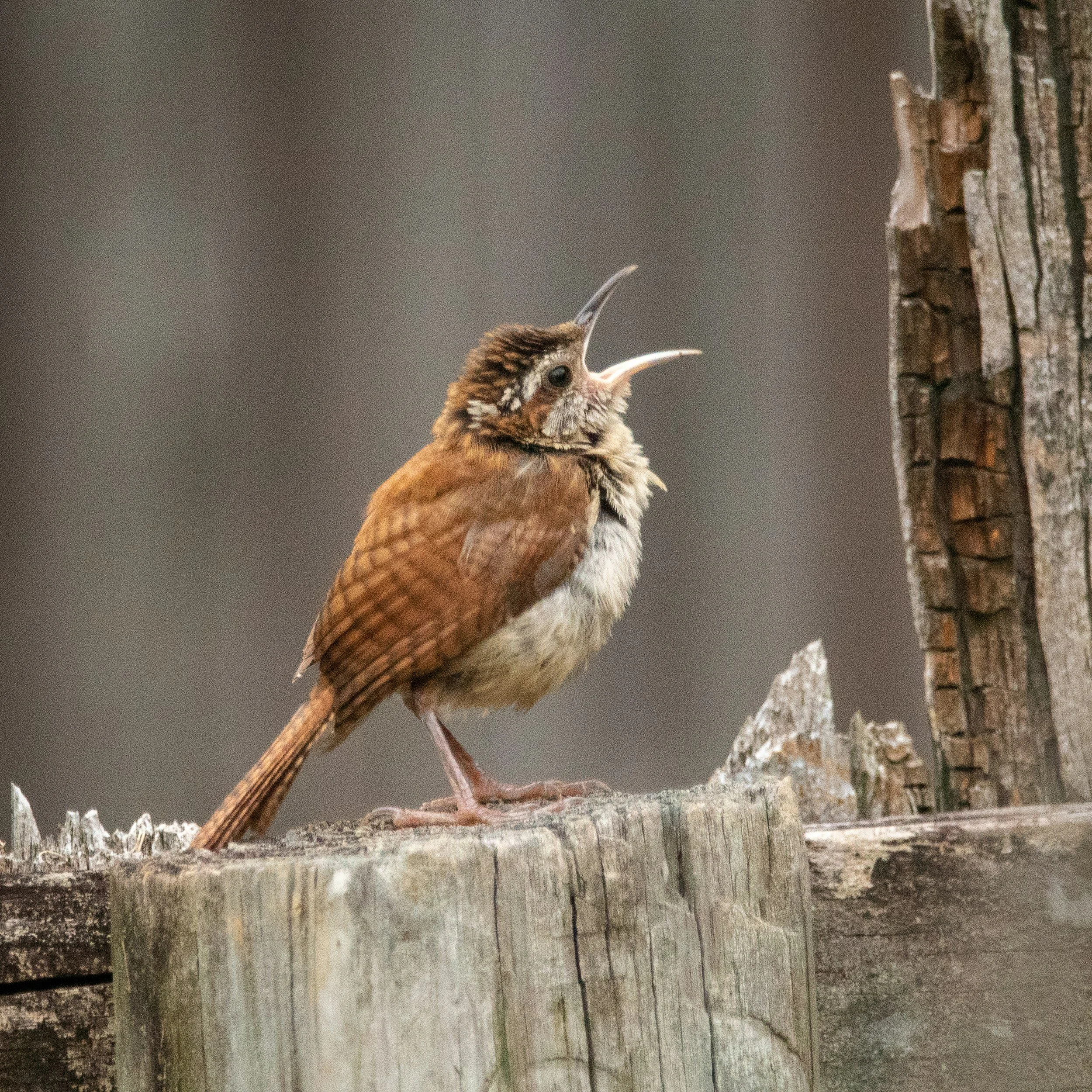
In winter, birds face the same challenges they have year-round. Start by making your yard bird friendly. There are various ways to do this but a good start would be to maintain your immediate surroundings, keeping invasive species under control. Try to avoid a perfectly manicured lawn by not using pesticides and fertilizer. Birds and wildlife will thrive where native species are plentiful. For example, birds love berry and fruit producing shrubs.
The birds that remain on Long Island, such as northern cardinals and blue jays, must take advantage of every source of food, water and shelter available. Birds that typically winter on Long Island include mourning doves, purple finches, and dark-eyed juncos. There are also woodpeckers, owls, and many others.
Shelter, food, water and bird feeders will help bring birds to your backyard in winter. Different kinds of food will attract a variety of birds. Hanging tube style birdfeeders filled with fresh seed is all it takes! It’s imperative to keep them clean and fresh while discarding or thoroughly cleaning the old ones that may still have seeds. Eating the old seeds could make birds sick. Birds also enjoy slices of apple and pieces of orange. A clean source of water, such as a birdbath or a dripping water source can be a magnet for birds. Due to the temperatures on Long Island, it would be best to use a heated birdbath.
It's very important to clean your bird feeders and birdbaths frequently using a disinfectant. Seed feeders should be thoroughly cleaned weekly with one part liquid chlorine bleach to 9 parts hot water. Make enough solution to immerse the feeders and soak for 10 minutes to loosen debris. Rinse thoroughly and allow to dry completely before refilling. Wearing gloves is advisable when filling and cleaning feeders and remember to wash your hands!
Suet is attractive to woodpeckers, wrens, chickadees, and others while mixed seed will attract most species. Sunflower seeds appeal especially to finches, but many other small-to-medium sized birds eat sunflower seeds including chickadees and juncos. Avoid any contact with birds that appear sick or have died from unknown causes.
What type of shelter will help in winter? A clean birdhouse placed near feeders would be very inviting. Find creative ways to insulate the birdhouse and attach it so that the entrance is protected from wind and the elements and is positioned in a way that it is exposed to afternoon sun.
Make a habit of raking leaves under shrubs and bushes and leave them there. This will help develop mulch where insects and spiders thrive, a great source of food for birds to eat in winter.
Helping birds survive in winter is a sure way to keep them around in spring and summer too! They will, in turn, help you with insect control and are sure to provide many hours of entertainment.
Official Statement Department of Health New York State – January 2025
Should you stop feeding birds and not have bird feeders?
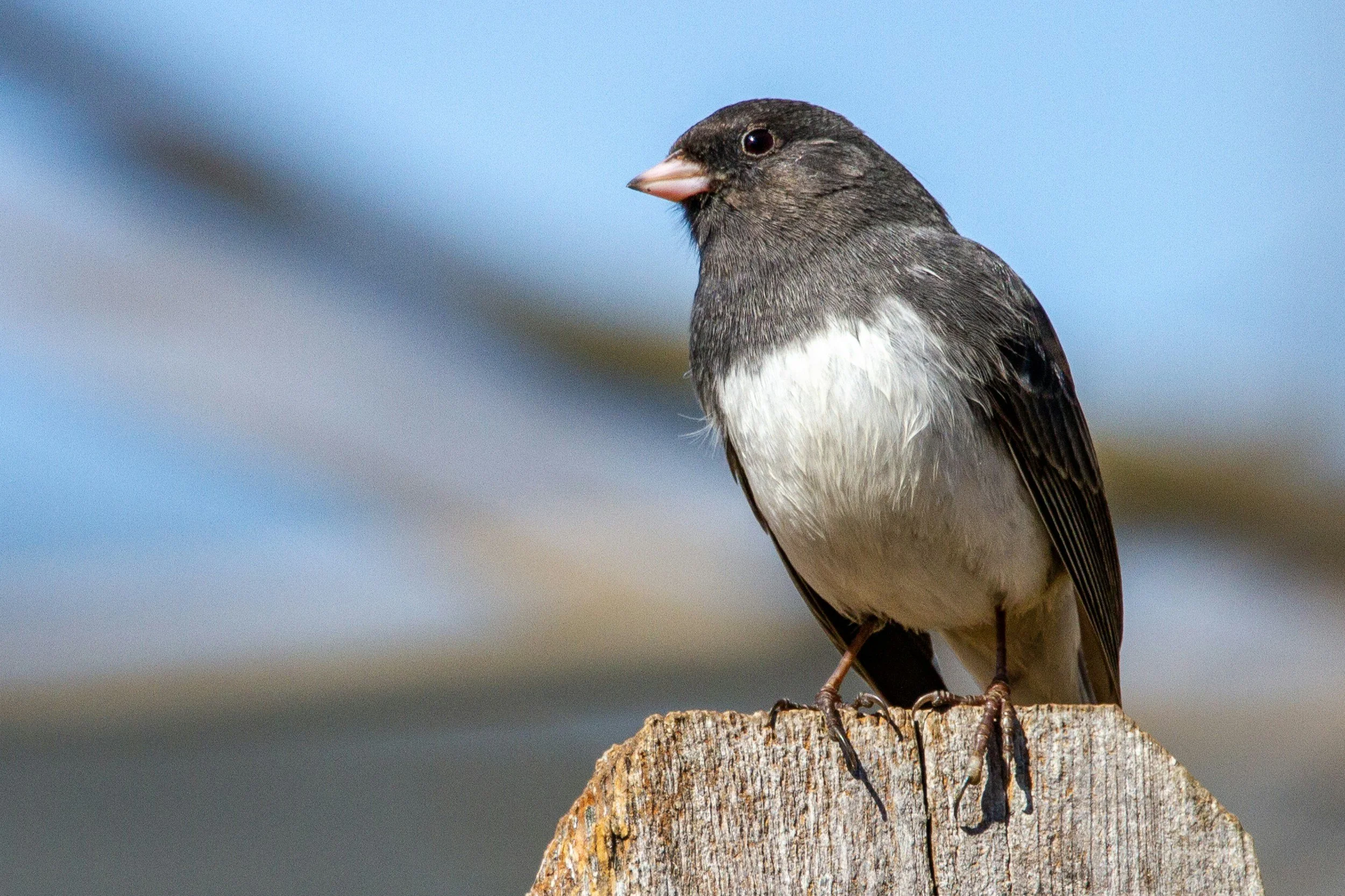
There is no need to change your normal practices for feeding wild backyard birds. Waterfowl, such as swans, ducks, and geese, are the type of birds that are most likely to be infected with avian influenza. Although wild backyard birds and pigeons are unlikely to be infected with avian influenza, it is always best to minimize contact with fecal material. Always use gloves when handling ill or dead birds, handling/cleaning up bird droppings, or touching surfaces/items contaminated by bird droppings. Wash your hands with soap and water immediately after removing your gloves. If soap and water are not available, use an alcohol-based hand sanitizer.
Should you feed wild ducks, geese, and other waterfowl?
Do not feed wild ducks, geese and other waterfowl. There are many reasons that you should not feed ducks and geese. Feeding ducks and geese increases the chance of spreading many diseases that are common among waterfowl, including avian influenza. It makes them more likely to approach humans and may cause them to become a nuisance as they lose their natural behaviors. Unnatural food items such as bread, popcorn, and even seeds have little nutritional value and can make birds sick. It is best to enjoy your local wildlife from a distance and under natural conditions.
The HPAI virus mainly impacts wild birds like migratory waterfowl, birds of prey, gulls, shorebirds, game birds, and scavengers such as crows and magpies. Songbirds and common feeder birds like cardinals, chickadees, and finches appear to be at much lower risk.
“Feed the birds in winter, in return, they will feed your soul with the look of gratitude!” Mehmet Murat ildan
Anne Marie Tognella, Sweetbriar Volunteer