Butterfly Vivarium Internship Details and Applying

About Our Organization ECSS: Sweetbriar Nature Center is a private not-for-profit, 501c3, a corporation that exists to provide natural science education services for Long Island residents of all ages and to engage in native wildlife rehabilitation services. Sweetbriar Nature Center has 54 acres of varied garden, woodland, field, and wetland habitats on the Nissequogue River. Hundreds of species of plants and animals make homes here. Our grounds are open to the public year-round. Our center cares for and rehabilitates over 2,000 sick, orphaned, and injured wild animals yearly. Sweetbriar is also home to over 100 non-releasable and domestic animals. We provide hundreds of environmental and natural science programs to schools, libraries, and other organizations throughout the year. Through education and examples, ECSS encourages responsible decision-making, appreciation, and respect for the unique wildlife and ecosystems found on Long Island.
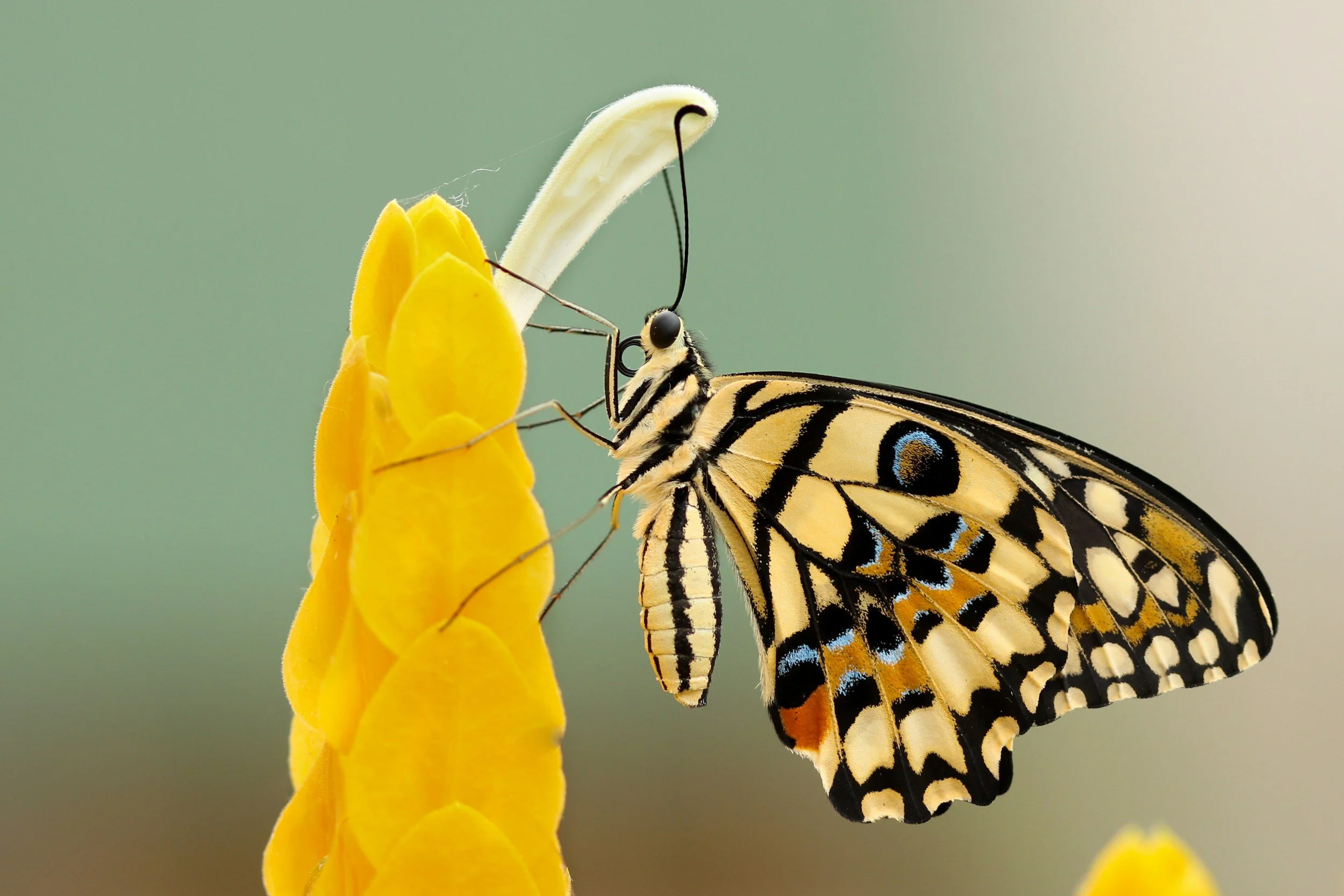
Internship Description: Sweetbriar Nature Center seeks an organized, efficient, and driven intern to learn about and assist in operating our Butterfly vivarium. This includes learning to rear butterflies, educating the public on Lepidoptera, gardening, and being a docent in the vivarium. This internship is eligible for academic or course credit if approved by your educational institution. Summer internships may have a stipend. There are grants available to receive payment for internships, but they must be applied for by the intern. Stipend cannot be applied on top of credits.
Qualifications:
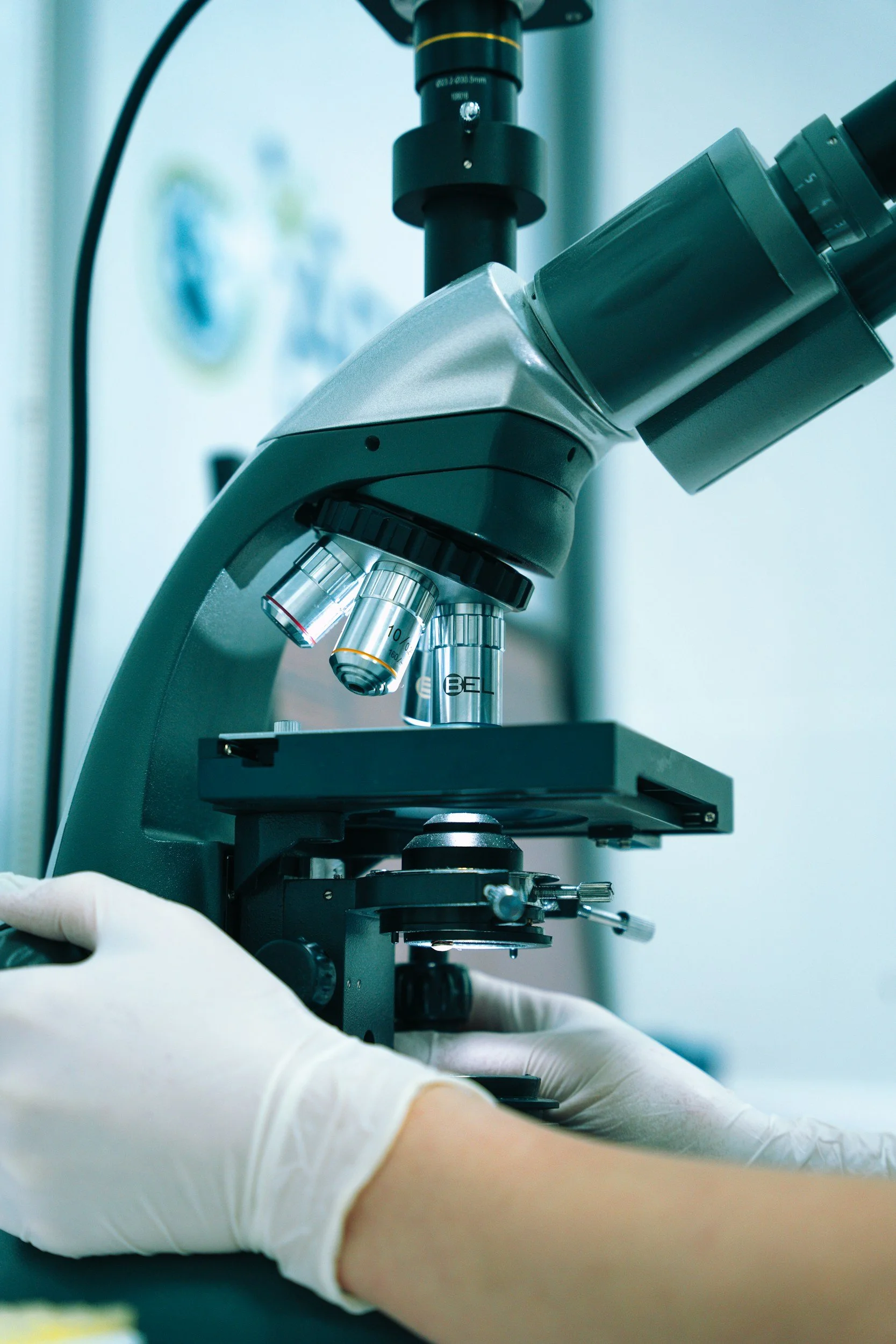
• Applicants should be interested in natural sciences, biology, sustainability, or related fields
• Enthusiasm and curiosity about the natural world
• Positive attitude
• Ability to work efficiently and independently
• Must be willing to handle insects, check for parasites, and have attention to detail
• Your own transportation to the nature center
Great for Students Majoring in: Sustainability, Environmental Studies, Natural Sciences, Biology or other related fields
Hours:
• 25-35 hours per week (between 9:30 am-5 pm)
• Flexible, but we prefer you to work the same hours each week.
Sweetbriar is a 501c3 not-for-profit. We strive to be inclusive and welcome everyone to our nature center. During your time here, you will have the opportunity to network, meet, and learn about many other individuals and organizations in the environmental and wildlife fields.
To Apply: Scroll to the bottom of this page for the form
Please read through everything on this page before applying
Additional questions- Please email Veronica Sayers at programs@sweetbriarnc.org
Typical day as a vivarium intern:
You will have training on how to do all of the following. You will be trained and will report to the vivarium director, but will have to work independently and know how to prioritize your time.
9:30 am- mid-day
Gathering educational material for the vivarium and setting up for the public. Making sure the vivarium is prepared for the public and volunteers to enter. Prioritizing your day with the director if needed. Working in the chrysalis area, checking humidity, parasites, and documenting data about lepidoptera. This is a lab area, and you will need to disinfect items used and your hands often. If we are rearing our own butterflies, refilling and disinfecting “plant food” and areas, and checking for parasites. Checking plants in the vivarium for larvae, disease, parasites, and doing greenhouse management. Keeping areas clean and organized.
As visitors come in, if you have a volunteer, they will collect entrance fees. You will provide basic education on butterflies as needed, to the public. (You will learn some elements of grade school education on Lepidoptera to learn how to educate children on the subjects.) Volunteers usually work for a few hours in the butterfly house with you. You may ask them for help with tasks, but you should be the only one doing lab/rearing work unless the director lets you know otherwise.
After lunch - 4pm
Basic upkeep and organization, light gardening, and talking to the public. You may be helping organize volunteer schedules and emailing the USDA breeder. Rearing upkeep if needed. Working on a school-related / center-related project. (This will be determined with your advisor or vivarium director, depending on whether you’re doing credits) At times, other organizations will be here to do projects in the garden or with wildlife. We highly encourage you to join them to network, work with them and ask questions.
At the end of day, making sure science material is away, the vivarium is secured, and money is put away.
There can be significant downtime, and how you fill this time can be valuable to your future career. Talk to other interns, staff, learn about other organizations, and the public. Many of our former interns now work at zoos, labs, and with state and federal agencies.