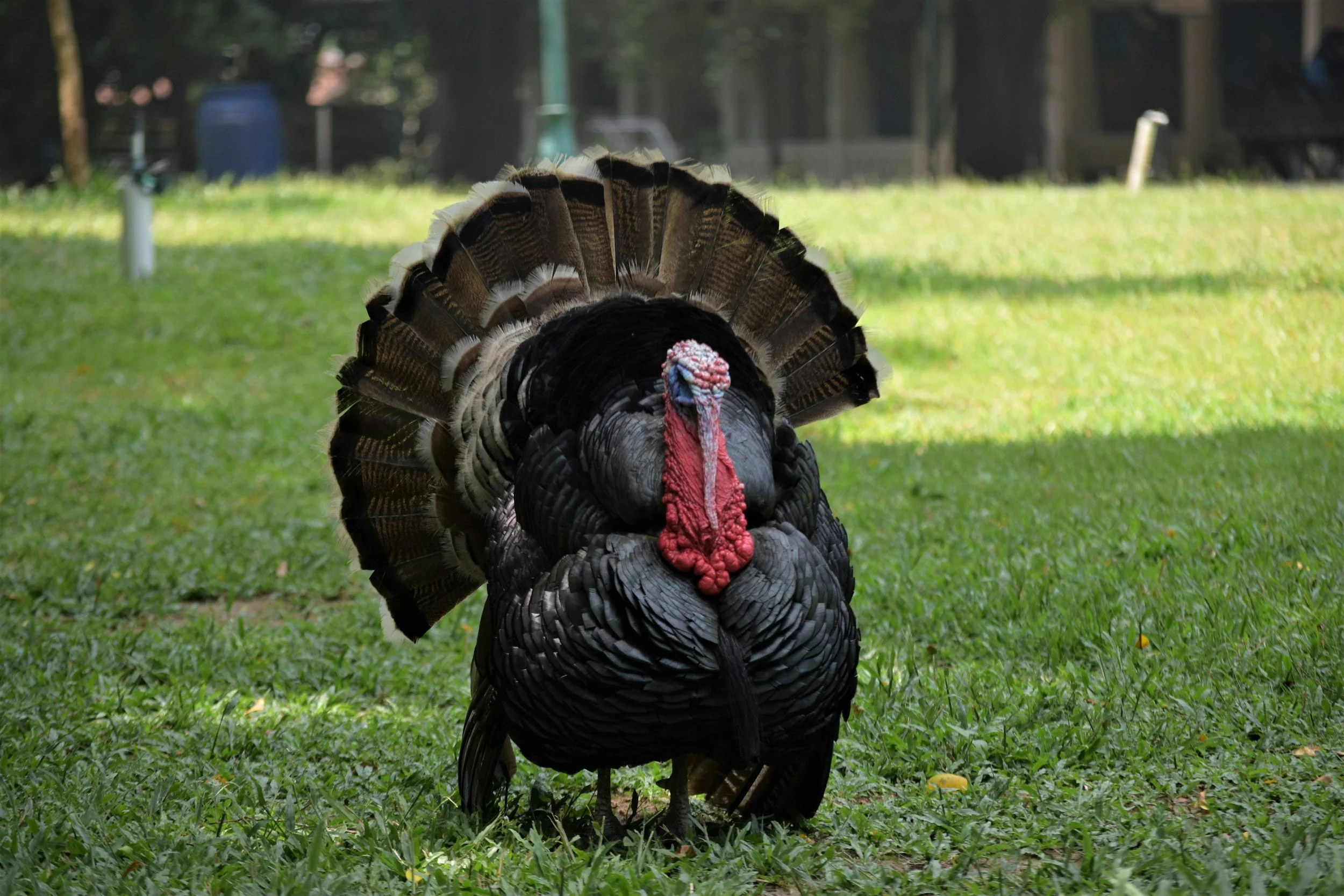
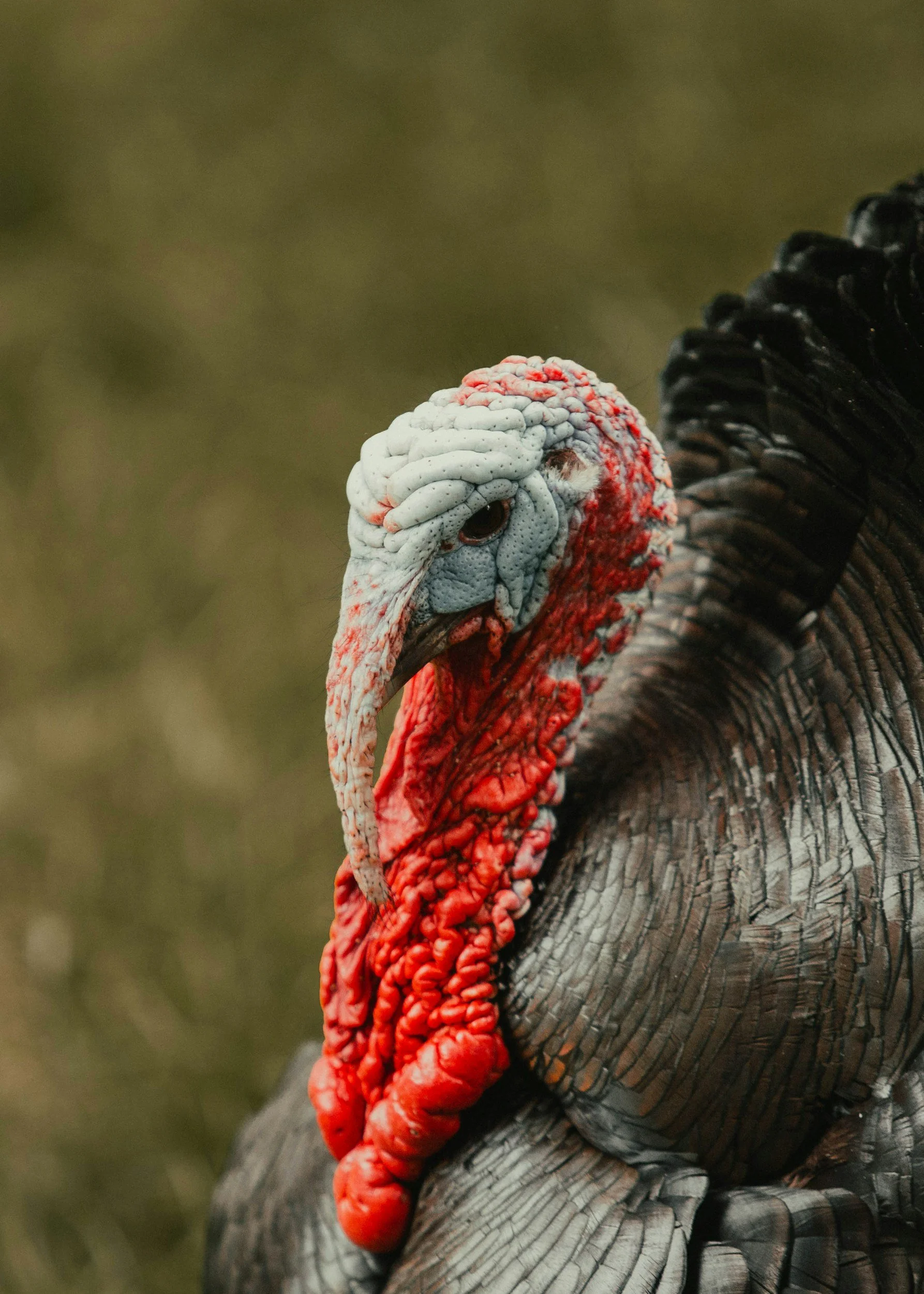
Get to know your neighbors, wild turkeys have moved into your neighborhood.

Have you noticed families of turkeys roaming through your yard and your supermarket parking lot? Wild turkeys have become part of the landscape on Long Island and are now considered common.

They were pretty much extinct by the 1800s. In the 1990s, the NYS Department of Environmental Conservation reintroduced less than 100 in upstate New York which has contributed to the current growth which, at this time, the DEC estimates to be over 6,000 on Long Island alone.

Wild turkeys can be seen in several habitats ranging from forests to open clearings and as we know, in residential areas. They are now part of the landscape. Some people feel that they are a nuisance while others are hopeful that they will help control the tick population. An adult turkey is one of the most voracious tick predators around and may eat 200 or more ticks in a day!

Currently, there is a two-year study being conducted by the DEC to monitor and count the turkey population in order to determine management strategies. This study involves trapping, tagging and releasing. Based on the study results, a spring hunting season, similar to those in other parts of the state, has been introduced to manage the population. Suffolk County typically opens in May and is open to licensed hunters with a turkey permit. Hunting is restricted to shotguns or archery equipment, and rifles are prohibited. Specific hunting areas may require reservations. 

The National Wild Turkey Federation was founded approximately 50 years ago to conserve the bird they love and take care of people who love them, while conserving the habitat both need to thrive. Since its inception in 1973, the NWTF has provided the foundation for wild turkey conservation throughout North America. From the first research project funded in the 1970s, to the multimillion-acre restoration initiatives going on today and everywhere in between, conserving the wild turkey will be the backbone of the National Wild Turkey Federation.

At Sweetbriar we often get calls telling us that a turkey was seen trying to get into the local gym or a store at a strip mall. They aren’t actually attempting to enter but have seen their reflection in the glass doors and think it is a rival turkey…an intruder! They react to their reflection often exhibiting aggressive behavior due to their territorial nature. In these cases, they do not leave the area until the reflection goes away. They have been known to peck at cars, windows and mirrors which has caused problems. Turkeys focused on their reflection near streets have even blocked traffic and followed cars. This behavior is due in part to their keen eyesight and is quite common.

What turkey behavior should concern you? There is cause for concern if a turkey is aggressive, injured or displaying signs of severe illness like lethargy or abnormal droppings. A turkey that stares you down, approaches you or tries to intimidate you is exhibiting aggressive behavior. This can happen during the spring breeding season when males are establishing dominance, or if they have become accustomed to being fed by humans. In this case, you should not back down but do not attempt to run away. Try to gently scare them away. Avoid walking through the flock but go around them instead. If things get out of hand, call your local wildlife authorities.

If the turkey appears to be sick or injured, do not touch it. Call a local wildlife rehabber who will be able to assess the situation.

To help keep turkeys away from your property, remove any potential food sources like bird feeders or spilled seeds that could attract them.

Did You Know?

A frightened turkey can run up to 25 mph in short bursts. Running is their primary defense against ground predators, which is made possible by their strong legs, excellent eyesight and hearing. When they take flight, they can reach even faster speeds of 50-55 mph in short flights.

Wild turkeys are very intelligent and have adapted to their environment in order to survive. They are social creatures who learn from experience, have complex vocalizations to recognize each other, and can remember people and navigate large areas. They can even learn to recognize their own name!

They are able to remember the geographic layout of over 1,000 acres, which aids in finding food. They also have good memories, allowing them to recognize individuals after months apart.

They are curious and enjoy exploring, playing games and solving puzzles and have been seen utilizing tools.

No need to worry about a lone turkey. He is either searching for a mate or foraging for food. Please do not feed them; water is ok. 


Anne Marie Tognella, Sweetbriar Volunteer
 

GET TO KNOW YOUR WINTER NEIGHBORS HOW TO WELCOME BIRDS TO YOUR LONG ISLAND BACKYARD IN WINTER

In winter, birds face the same challenges they have year-round. Start by making your yard bird friendly. There are various ways to do this but a good start would be to maintain your immediate surroundings, keeping invasive species under control. Try to avoid a perfectly manicured lawn by not using pesticides and fertilizer. Birds and wildlife will thrive where native species are plentiful. For example, birds love berry and fruit producing shrubs. 

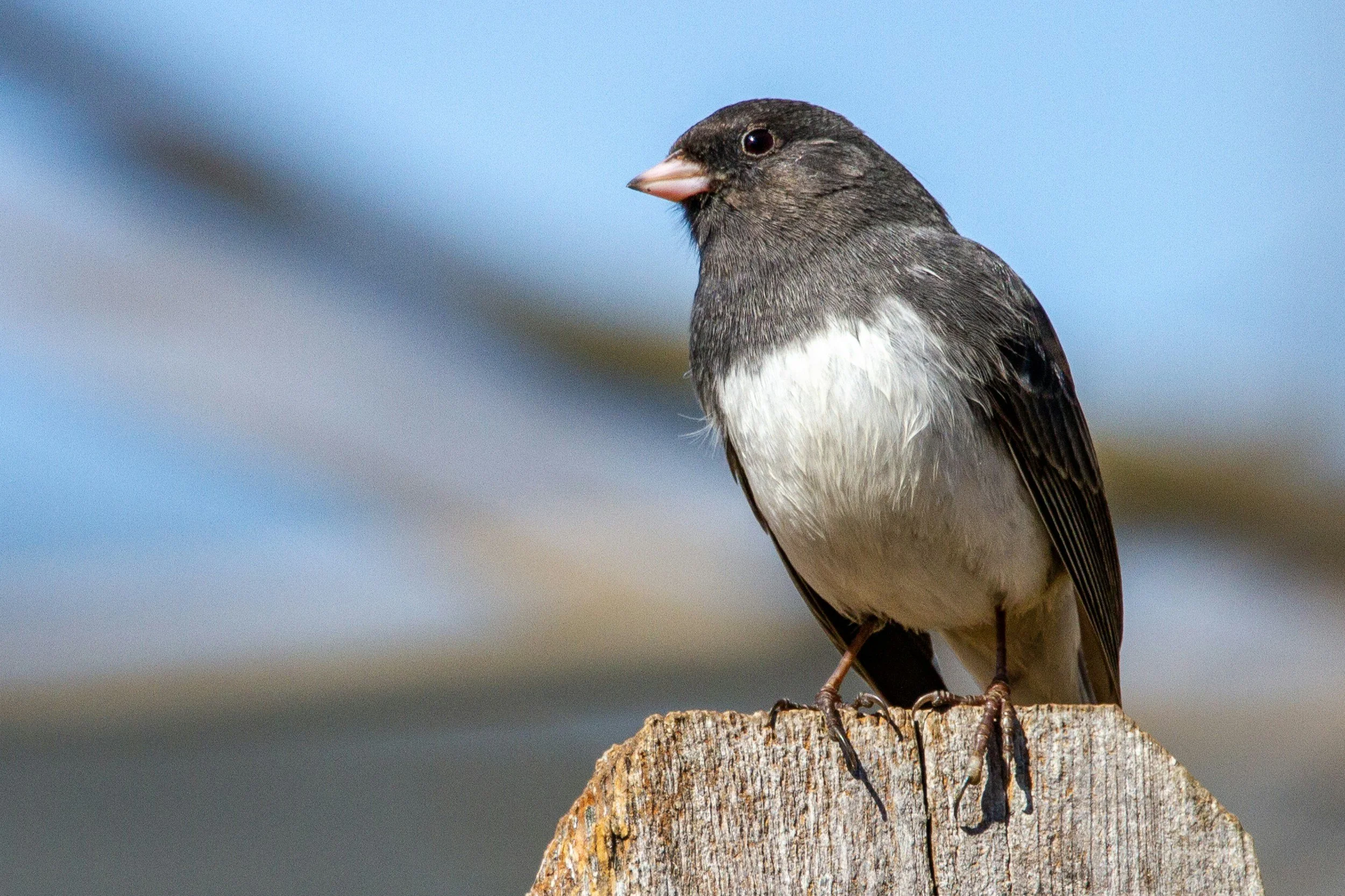
The birds that remain on Long Island, such as northern cardinals and blue jays, must take advantage of every source of food, water and shelter available. Birds that typically winter on Long Island include mourning doves, purple finches, and dark-eyed juncos. There are also woodpeckers, owls, and many others.

Shelter, food, water and bird feeders will help bring birds to your backyard in winter. Different kinds of food will attract a variety of birds. Hanging tube style birdfeeders filled with fresh seed is all it takes! It’s imperative to keep them clean and fresh while discarding or thoroughly cleaning the old ones that may still have seeds. Eating the old seeds could make birds sick. Birds also enjoy slices of apple and pieces of orange. A clean source of water, such as a birdbath or a dripping water source can be a magnet for birds. Due to the temperatures on Long Island, it would be best to use a heated birdbath.

It's very important to clean your bird feeders and birdbaths frequently using a disinfectant. Seed feeders should be thoroughly cleaned weekly with one part liquid chlorine bleach to 9 parts hot water. Make enough solution to immerse the feeders and soak for 10 minutes to loosen debris. Rinse thoroughly and allow to dry completely before refilling. Wearing gloves is advisable when filling and cleaning feeders and remember to wash your hands!

Suet is attractive to woodpeckers, wrens, chickadees, and others while mixed seed will attract most species. Sunflower seeds appeal especially to finches, but many other small-to-medium sized birds eat sunflower seeds including chickadees and juncos. Avoid any contact with birds that appear sick or have died from unknown causes.

What type of shelter will help in winter? A clean birdhouse placed near feeders would be very inviting. Find creative ways to insulate the birdhouse and attach it so that the entrance is protected from wind and the elements and is positioned in a way that it is exposed to afternoon sun.  

Make a habit of raking leaves under shrubs and bushes and leave them there. This will help develop mulch where insects and spiders thrive, a great source of food for birds to eat in winter.

Helping birds survive in winter is a sure way to keep them around in spring and summer too! They will, in turn, help you with insect control and are sure to provide many hours of entertainment.

Official Statement Department of Health New York State – January 2025

Should you stop feeding birds and not have bird feeders?

There is no need to change your normal practices for feeding wild backyard birds. Waterfowl, such as swans, ducks, and geese, are the type of birds that are most likely to be infected with avian influenza. Although wild backyard birds and pigeons are unlikely to be infected with avian influenza, it is always best to minimize contact with fecal material. Always use gloves when handling ill or dead birds, handling/cleaning up bird droppings, or touching surfaces/items contaminated by bird droppings. Wash your hands with soap and water immediately after removing your gloves. If soap and water are not available, use an alcohol-based hand sanitizer.

Should you feed wild ducks, geese, and other waterfowl?

Do not feed wild ducks, geese and other waterfowl. There are many reasons that you should not feed ducks and geese. Feeding ducks and geese increases the chance of spreading many diseases that are common among waterfowl, including avian influenza. It makes them more likely to approach humans and may cause them to become a nuisance as they lose their natural behaviors. Unnatural food items such as bread, popcorn, and even seeds have little nutritional value and can make birds sick. It is best to enjoy your local wildlife from a distance and under natural conditions.

The HPAI virus mainly impacts wild birds like migratory waterfowl, birds of prey, gulls, shorebirds, game birds, and scavengers such as crows and magpies. Songbirds and common feeder birds like cardinals, chickadees, and finches appear to be at much lower risk.


“Feed the birds in winter, in return, they will feed your soul with the look of gratitude!” Mehmet Murat ildan


Anne Marie Tognella, Sweetbriar Volunteer


Get to know your neighbors: Sweetbriar’s Butterfly House

One of the best kept secrets on Long Island is Sweetbriar Nature Center. Nestled in the heart of Smithtown, Sweetbriar boasts a stunning butterfly vivarium which has been operating for over 25 years and showcases several varieties of butterflies.

This gem is open from mid-June through mid-September, 7 days per week, 10am-4pm. A donation of $10 for adults, $5 for seniors and children under 12 (no charge for children under 2) is required.

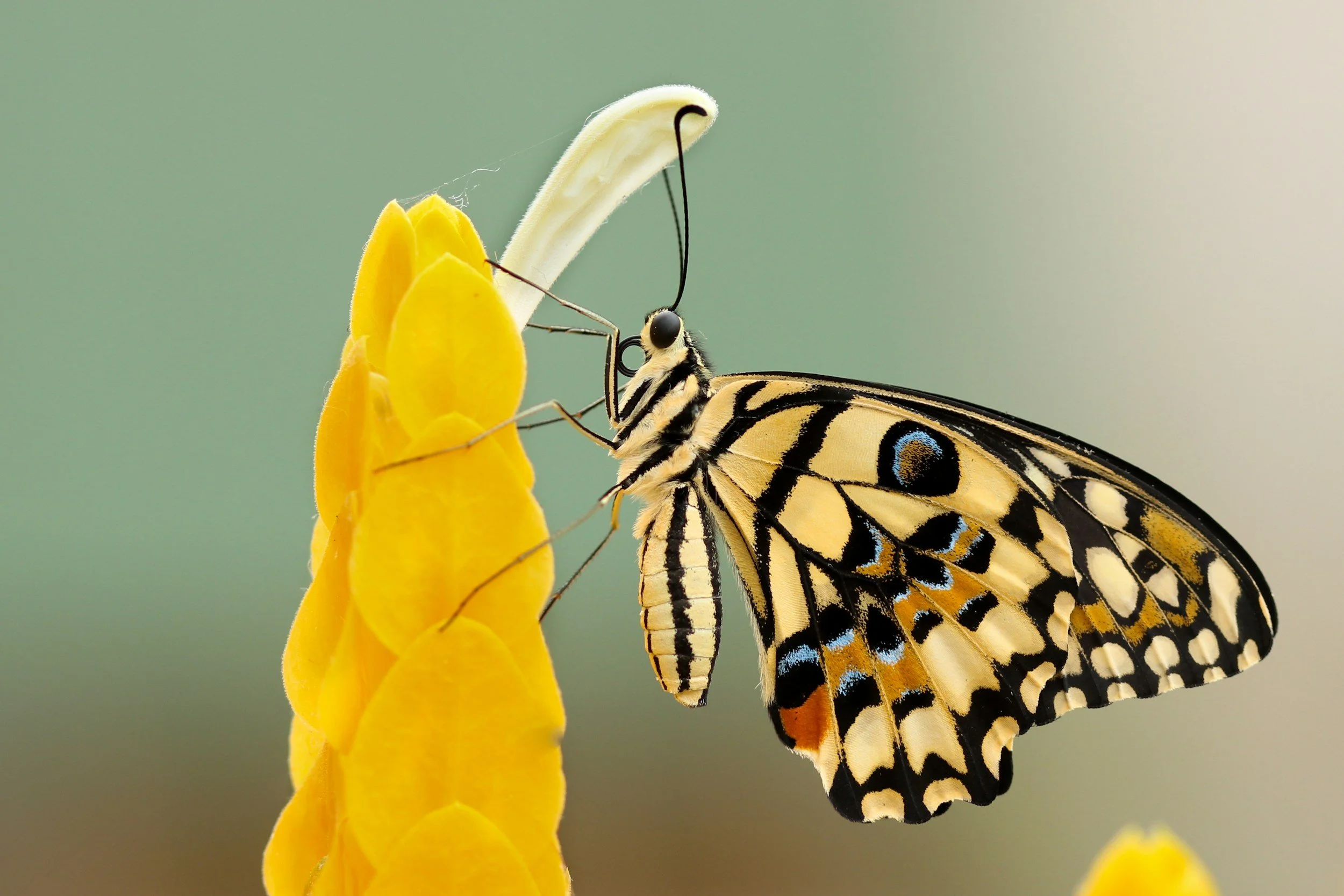
At the nature center, enjoy strolling through the lush gardens, fields, woodland and wetlands and hiking trails set amidst 54 acres bordering the Nissequogue River and get up close with butterflies! Learn about their life cycles and habitat preservation efforts. Visitors and photographers alike take advantage of what the vivarium has to offer in the way of magnificent photos of the colorful butterflies.

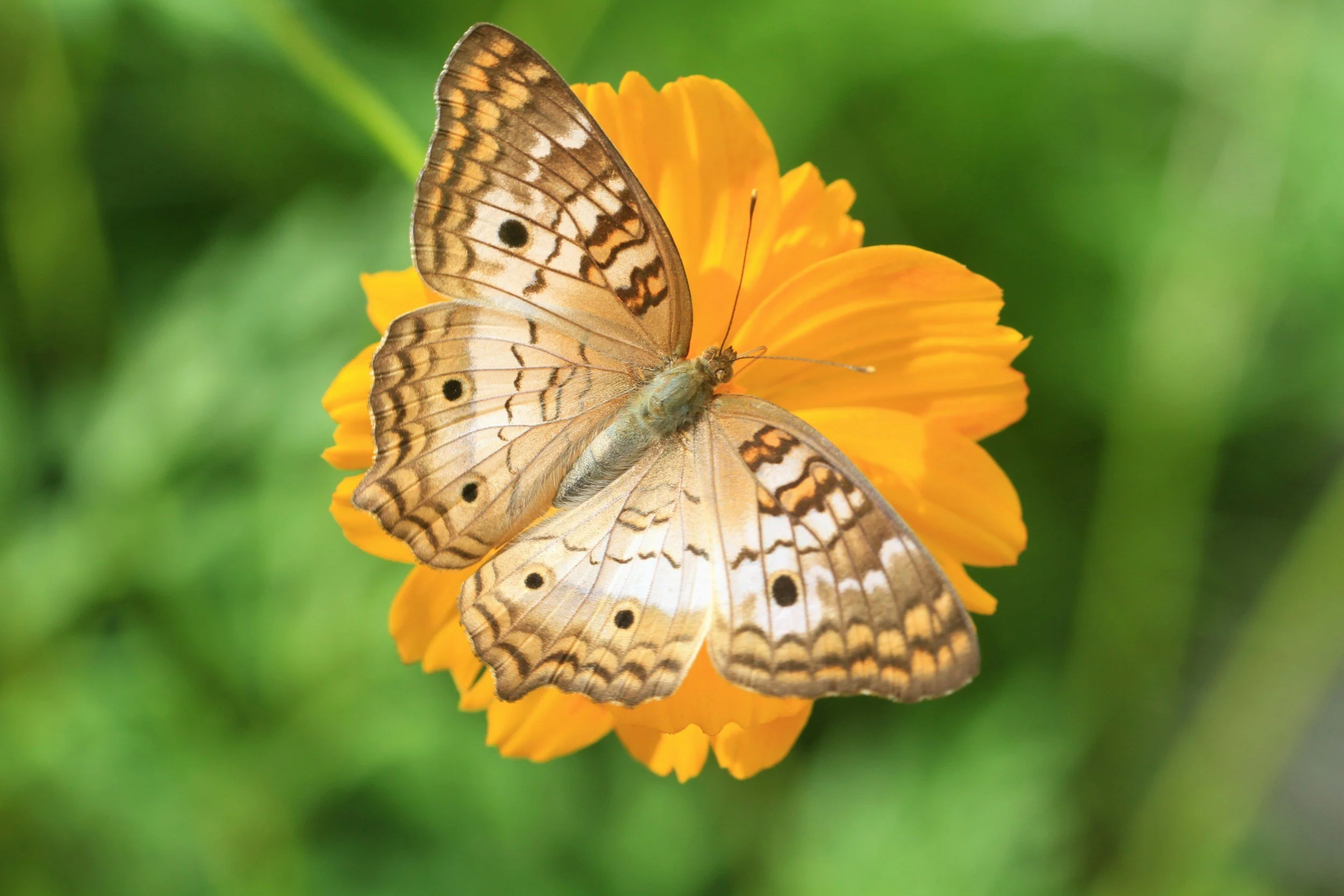
Current residents of the butterfly house include: Atala, a rare butterfly, Malachite, Painted Lady, Red Admiral, Orange Barred Sulphur, Queen, Monarch, Buckeye, Giant Swallowtail, Black Swallowtail, Pipevine Swallowtail, Spicebush Swallowtail and Variegated Fritillary.

These butterflies arrive as Pupae/Chrysalis from mid to late spring. Butterflies undergo a complete metamorphosis, which means there are four separate stages in their life cycle: egg, larva, pupa, and adult.

Where do they come from? Sweetbriar obtains their butterflies from a USDA approved butterfly breeder through mail order from a few different states. The vivarium is stocked by June and opens to the public at the annual Butterfly and Bird Festival. The festival is a family affair which includes animal presentations, music, crafters, food trucks and more.

What happens when there is a storm? Butterflies are not able to fly when it rains and immediately take cover, also when it is windy. There are special pine trees in the vivarium for gripping where they can take hold.

In order to maintain the butterfly house, daily maintenance of plants is imperative so that they continue to bloom throughout the summer. Initially, it is important to spray the chrysalis with water since they need moisture to stay healthy. It is also very important to routinely check for parasites and intruders such as chipmunks, praying mantis, wasps and small birds, which are then captured and set outside the vivarium..

Invite these magical insects into your own yard by adding nectar producing native plants and trees. These plants will provide shrubbery that will protect them. Please refrain from the use of insecticides (yes, even organic). There are other alternatives to control ticks and mosquitos. Spraying for mosquitos and insects is a sure way to kill butterflies along with other insects beneficial to the environment. They are fragile creatures and will die.

Did You Know?

You can become a Vivarium Assistant! A variety of volunteer opportunities are available in Sweetbriar’s Butterfly House where you can help with daily operations, gardening and maintenance. Contact Veronica Sayers, Vivarium Director. Training will be provided.

Anne Marie Tognella, Sweetbriar Volunteer
Getting to know your neighbors: Who’s Moving into Your Neighborhood This Winter?

The original ‘snow birds’, that’s who!

Did you know that Long Island is a top destination for over 30 types of waterfowl in winter? These birds migrate south to Long Island from their Arctic tundra nesting grounds because of their need for food and warmth and include ducks, geese and swans, the original ‘snow birds!’ They can be seen on ponds, harbors, lakes, coastal beaches and bays including the Sound and Ocean. This process usually begins at the end of October with sightings of flocks of ducks, the most recognizable being the Mallard.


The Snowy Owl has become a frequent winter visitor to Long Island’s shoreline dunes. Fire Island is known to be an area they love. They tend to settle also on the south shore's barrier islands, where the habitat is similar to their home up north. Believe it or not, one was spotted in New York City over the recent holiday weekend! This year, there have already been multiple sitings. These owls arrive in December when their food supply diminishes and stay through March when they make the challenging journey back to the Arctic. Their permanent home is the Arctic tundra where they enjoy hunting for animals such as lemmings.

While here, they feast on small mammals like rodents and rabbits. They can be seen hunting at dusk and dawn. People are fascinated with these beauties also referred to as the ‘owl from Harry Potter’. Photographers and birders alike are happy to welcome the snowy owl here for the winter. If you do spot one, it’s important that you give the animal space.

They’re here for the sole reason of finding food and we need to respect their privacy and do everything in our power not to stress them out.


Yes, Long Island is also home to Harbor Seals! They migrate from their Canadian breeding grounds in Canada and Maine to the Long Island Sound and can be spotted from December to March at Cupsogue, Hempstead Bay, Jones Beach and Montauk State Parks. If you are lucky enough to see a seal, please be sure to give them space.

Take a seal cruise or a seal walk tour on Long Island this winter!

In the event you see an injured seal please contact the Marine Mammal Stranding

Center. (631) 369-9840

If you happen to find an animal in the wild in distress at any time of year, please contact Animal Help now

AHNow.org


Suggested viewing:

Filmed on all 7 continents, Winged Migration is a 2001 critically acclaimed

documentary which follows several species of birds who migrate thousands of

miles, to the Equator and back, over a four-year span.

PBS Nature Magic of the Snowy Owl

Season 31, Episode 2

Anne Marie Tognella, Sweetbriar Volunteer
Getting to know your neighbors: What's happening in the mammal room?

What’s Happening in the Mammal Room?

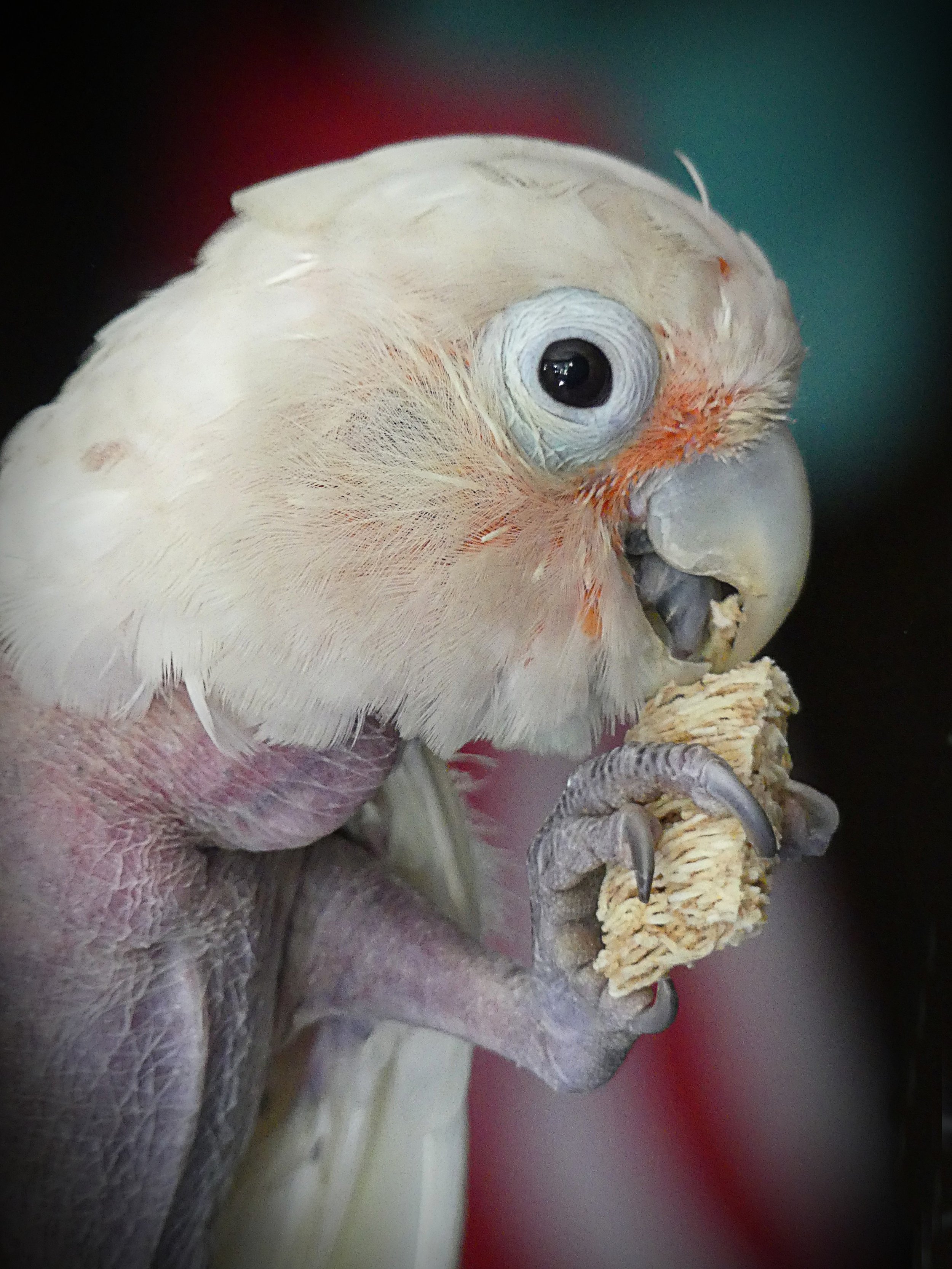
The Mammal Room is located near the front entrance of the house. Its residents are: Alfie, the cockatoo, Chupa Chups, the squirrel, Cocoa and Winter, the rabbits and siblings, Lilo and Lila, the chinchillas. The public is not permitted in the room but can observe from the doorway.

Alfie, our cockatoo, was caught attempting to steal Chupa’s lettuce. She timed her clever stunt and waited until Chupa was nestled in his hammock sound asleep. She stealthily strutted over to the area underneath his cage and happily walked away with it. Who knew she’d go after lettuce, of all things (although she’s known to eat baked ziti). Turns out, she really likes it. After she was caught in the act, she disappeared. She initiated a game with us by hiding under a sheet of brown paper located on top of her cage, occasionally peeking out. She had us playing along, thrilled to know that she could successfully hide from us.

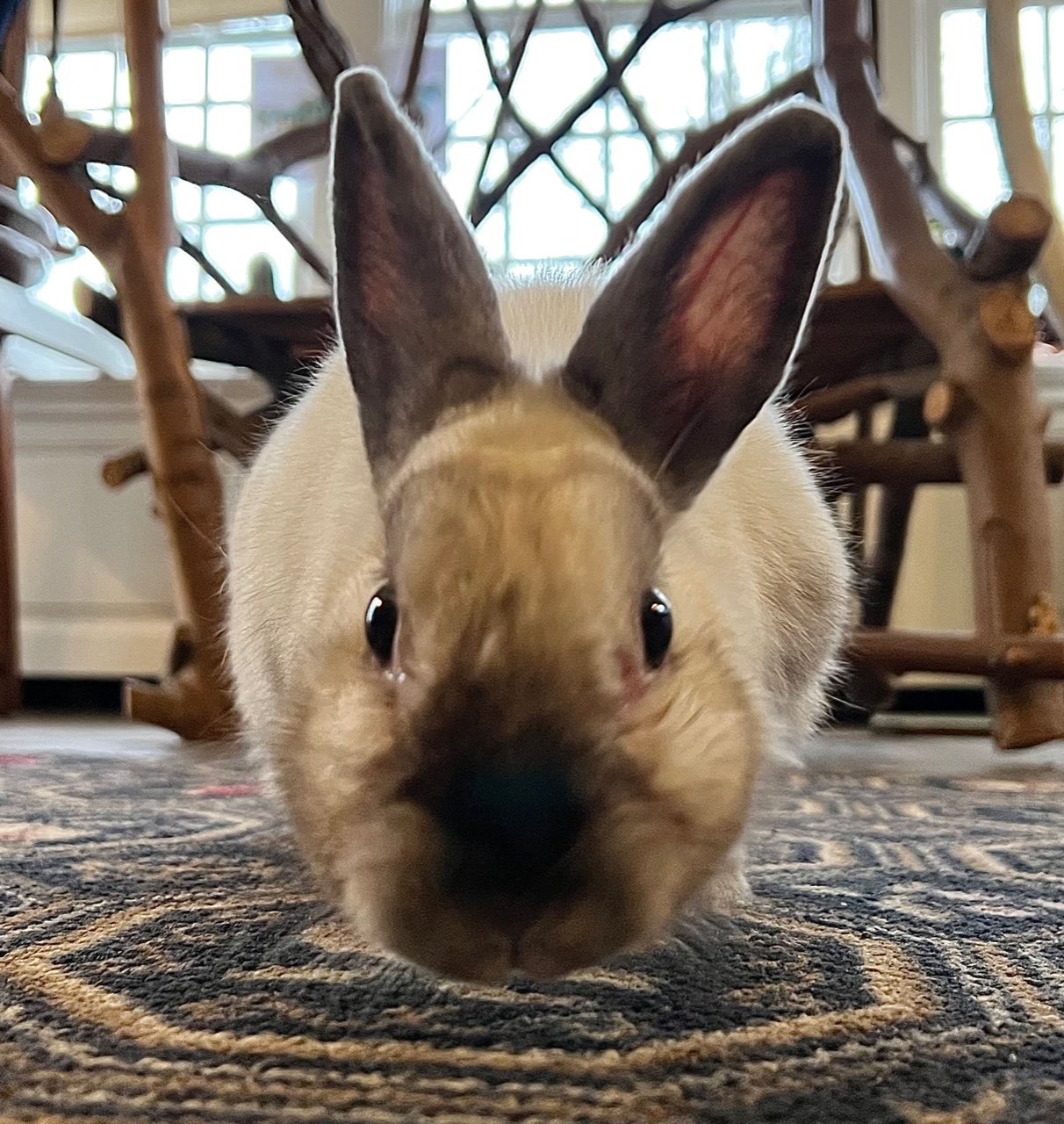
Winter, the rabbit has her own game going on. At the end of the day, she knows when it’s time to get into her hutch. That’s when she hides behind the hutch and begins to play hide and seek! She stalls, just like a child at bedtime. Her hutch-mate Cocoa, is no different. They seem to take turns in this act of resistance but Winter is by far the most capricious.

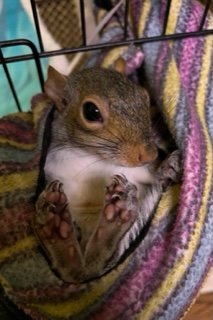
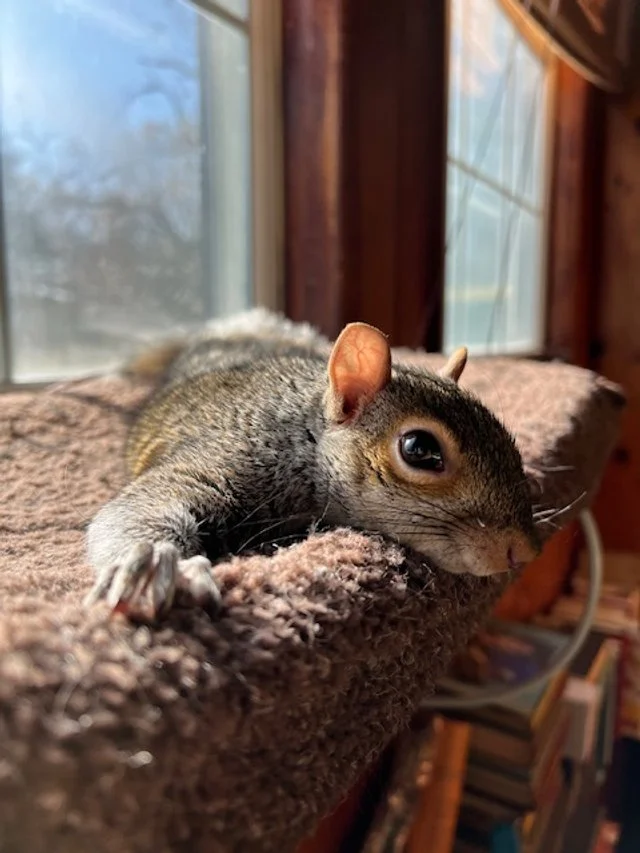
The Mammal Room’s most infamous resident is our notorious squirrel, Chupa Chups. His escapades top all the rest! That is why Alfie decided to finally teach him a lesson by trying to take the lettuce out of his cage. Most days, Chupa has the run of the place. According to one of our animal care volunteers, he’s been known to get Alfie riled up by eating her leftover scraps found under her cage, then keeps himself out of reach of her long neck and beak. Chupa entertains himself by laying hidden, stretched out on top of the Chinchilla cage, flat as a pancake, until he springs off onto a very surprised volunteer’s shoulder or arm.

Usually, the Chinchillas remain quietly in their cage but watch out if they happen to spot an escape route! It takes a clever, experienced staff person to manage to catch up with them.

The Mammal Room is a bright, sunny, airy room that invokes a warm and happy feeling. What goes on at night is anyone’s guess. Have you ever wondered what our residents are doing as you drive by the area late at night? I imagine them breaking out in full party mode, free to let loose to their hearts’ content. They may even have their own Alexa playlist!

You’ve never heard of the infamous Mammal Room? Take a peek (admittance is not permitted) the next time you stop by for a new, educational and fun experience!

Anne Marie Tognella, Sweetbriar Volunteer
GET TO KNOW YOUR NEIGHBORS: LI Land Turtles


When it comes to your Long Island wildlife neighbors, how often do turtles come to mind? Most likely not often at all. Surprisingly, turtles can be found anywhere you look, they are all around us! It’s a sight to behold when we spot a turtle and they certainly do help us slow down and take notice.


Turtles have been our prehistoric neighbors dating back to pre-dinosaur days and have not changed much. One major difference is that they no longer have teeth. Land turtles are closely related to crocodiles! Do episodes of The Flintstones come to mind?


While many of us know about sea turtles, most of us don’t know much about land turtles. Land turtles, live on land, have high, rounded shells, feet for movement and are able to retract their heads and limbs inside their shells to ward off predators.


Eastern Box Turtles are the most common land turtles found in the Long Island Central Pine Barrens. They range in size from 15 to 18 cm. Also known as Box Turtles, they are omnivores and their diet consists of berries, slugs, earthworms, snails, beetles, crickets, mealworms, pill bugs, pinky mice, plants and mushrooms; lots of live foods!


They can thrive in a variety of different climates, including tropical forests and grassy fields, forested areas and blistering hot desert sand, and can live well over 100 years. Although box turtles are not aquatic, they can be found near shallow streams or ponds and have occasionally been seen swimming!


Our goal should be to help protect and sustain turtle populations. Chemicals affect animals, and turtles are no different. Very often turtles with ear infections are brought to Sweetbriar, something directly caused by chemicals/pesticides. They are known to put their heads in water and rub their heads in wet grass thus causing problems with their ears. Turtle numbers are declining on Long Island mainly due to loss of habitat. Long Islanders pride themselves with having perfectly manicured, leafless lawns which, although beautiful to look at, present a problem for turtles due to their need for leaves in which to hibernate.


When you see a turtle on the road, you can help it across if it is safe to do so but be sure to face it in the direction in which it was going. If you come across an injured turtle or a turtle in distress, call us or your local wildlife rehabilitator.

Please do not relocate turtles from their home territory. In New York State it is illegal to possess most of the native turtles without a ‘License to Possess’. It is not okay to take a Box Turtle out of the wild and keep it as a pet even if you let it roam in your backyard. If removed from its home base, eastern box turtles will spend their whole life trying to find their way back home, using their “homing instinct”. 


Did You Know?

 At Sweetbriar, unreleasable turtles live comfortably in their ‘secret turtle suite,’ (Turtle Town), located upstairs, in Sweetbriar’s Temperate Forest Room. Go on an adventure at Sweetbriar and explore the tunnel, located outside of the Rain Forest Room, their natural habitat below the forest floor. They enjoy a warm, humid environment in this specially designed environment, made just for them.

Register on our website and join us at Sweetbriar on our Turtle Walk on Sunday, June 2 at 8:30am. We routinely document the health of the tagged turtles on our property and proactively bring them indoors for a couple of days to ensure their safety while the fields are being maintained. You may even spot one or two on the turtle walk!


Anne Marie Tognella, Sweetbriar Volunteer

GET TO KNOW YOUR NEIGHBORS: MEET LONG ISLAND’S RESIDENT SQUIRRELS

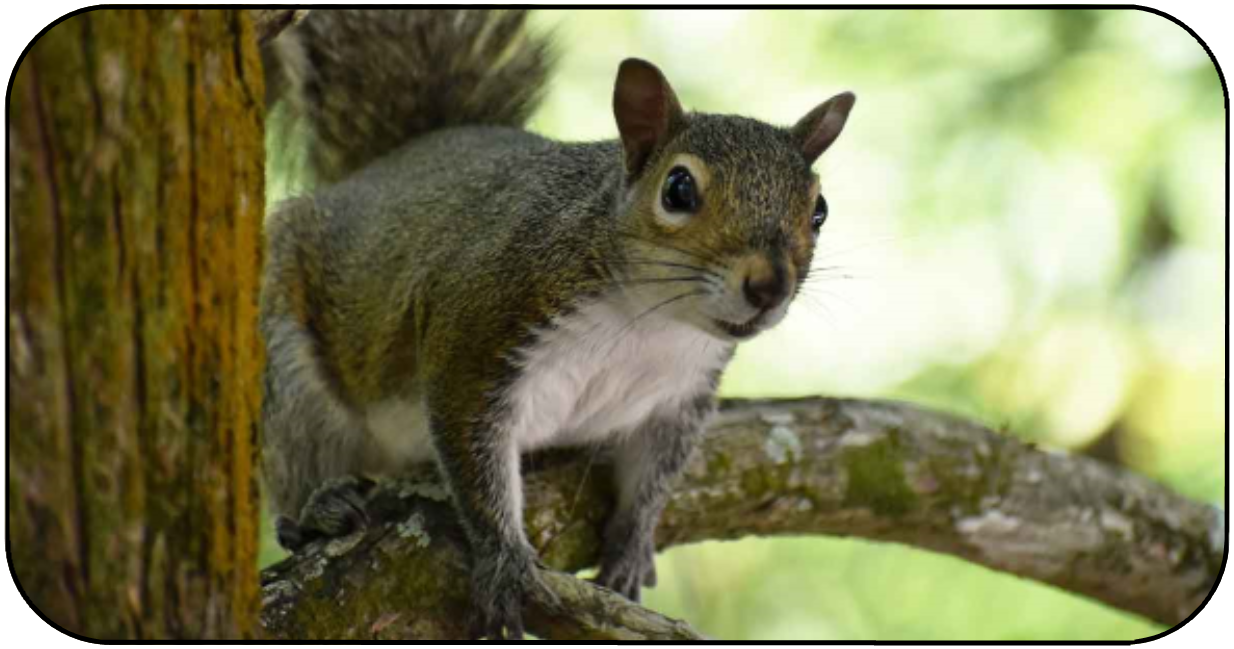
Two species of  squirrels live on Long Island; the Eastern Gray Squirrel and the nocturnal Southern Flying Squirrel, which is rarely seen. Although they are mammals, they are technically rodents.

Do you find your neighbors annoying? They often can be, squirrels, that is. They like to take over your yard and help themselves to everything in sight. They are infamous for digging holes where they bury their food. These pesky neighbors think that your garden is their personal buffet! There is no such thing as a secure bird feeder. That goes for bird baths too. Birds don’t stand a chance!

 You think you are in control of your yard but when it comes to squirrels, they decide their territory...not you!

 SURPRISING FACTS:

The Gray Squirrel feeds every day, even in winter. It does not hibernate and is unable to conserve enough energy to survive for long periods without food.

A squirrel’s teeth never stop growing, and they are equipped to chew on absolutely everything...and they do!

Have you seen a squirrel jump? They can jump up to 4 to 5 feet vertically and 8 to 10 feet horizontally!

They can travel at 20 miles per hour...really! How do those short legs do it?

Squirrels use their long tails and sharp claws for balance while climbing, running and leaping.

Chupa Chups -Sweetbriar’s resident  squirrel

Did you know?

Sweetbriar has its very own resident Eastern Gray Squirrel, Chupa Chups. Chupa Chups came to us when he was a juvenile squirrel after the branch his nest was in was cut down. He fell and suffered a head injury, causing permanent neurological issues. You can find Chupa Chups in the Mammal Room where he plays with stuffed animals and keeps active all day long.


Anne Marie Tognella, Sweetbriar Volunteer


GET TO KNOW YOUR NEIGHBORS: MEET THE CORVID FAMILY

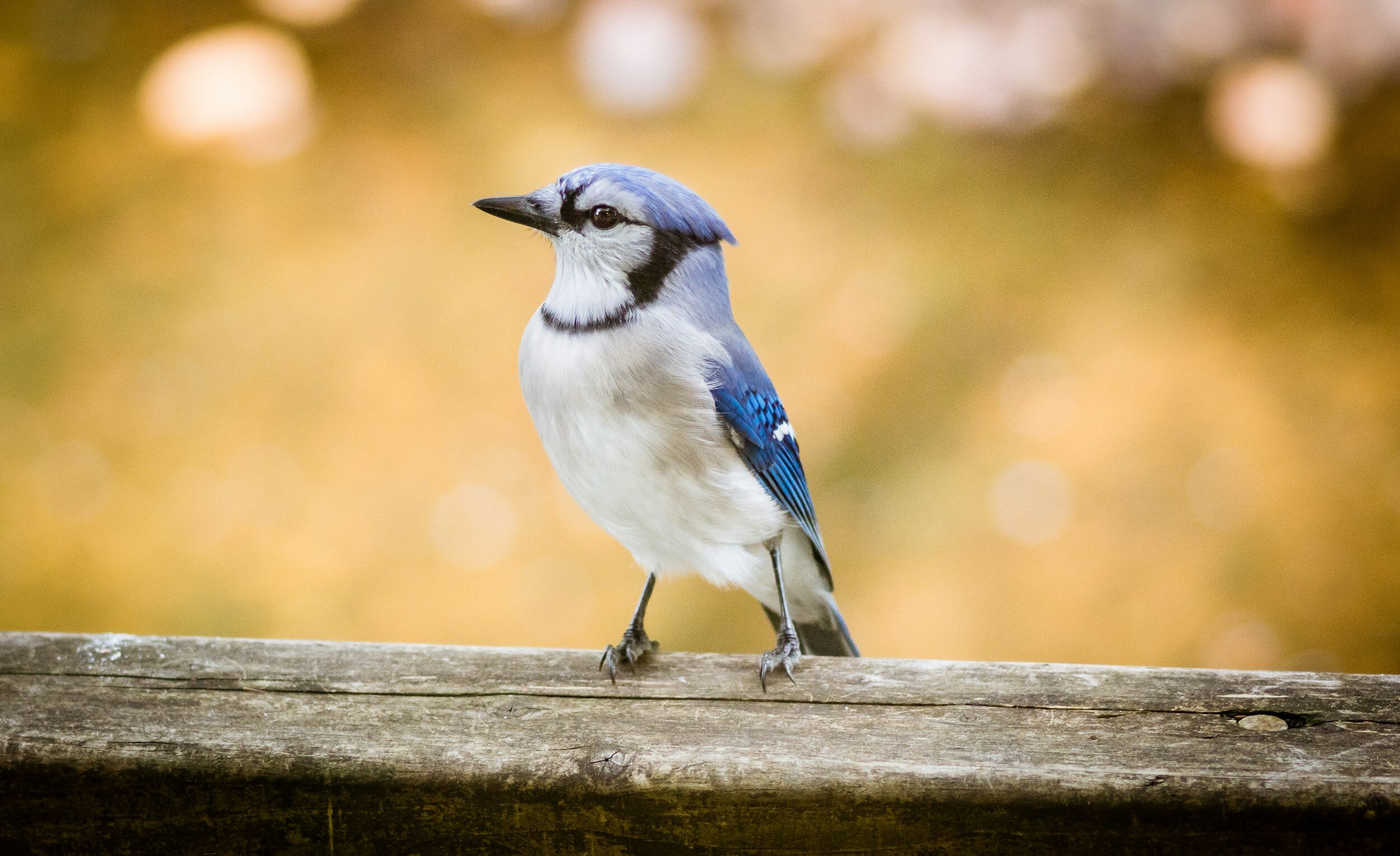
When is the last time your neighbor greeted you? Probably every day! The Corvid Family also lives in your yard and in your neighborhood. Have you met them? They are the common blue jays along with crows, ravens and magpies. You are likely to hear them often as they are quite vocal. Here on Long Island, there are blue jays, crows and ravens.

 Believe it or not, there are 135 species in this family and they are known to be super smart. Crows and ravens have special brains that allow them to reason and solve problems. Studies have shown that crows use tools and often make them! Ravens solve puzzles and have an uncanny memory for human faces...they never forget a face! Ravens even pre-plan tasks. Two un-releasable blue jays live at Sweetbriar and have bonded with staff, often communicating with them by whistling back and forth.


Ravens, like all other corvids, are monogamous, and the bond typically lasts for life. Ravens select their partners in the autumn, following impressive acrobatic displays. Following pairing, the duo preen each other, and usually support each other in aggressive interactions with other ravens.


You may be wondering who removed your garbage can covers and you’re convinced it’s the raccoons. Very often it’s ravens and crows!

SURPRISING FACTS:

Scavenging accounts for very little of a crow’s diet. The bulk of their daily meal is made up of human refuse, invertebrates and worms. The American crow is known to catch its own fish, for example, in some cases even using bread or other food as bait to lure fish closer.

They have some of the best spatial memory of any animal and they account for the largest songbird in the world!

DID YOU KNOW?

Sweetbriar made headlines again in January 2023 when 13 electrocuted crows were brought to us. They have since been rehabilitated and released in the fall of 2023. Take a look at the video of their release on our Facebook page.


Anne Marie Tognella, Sweetbriar Volunteer